7 Good vs Evil Fantasy Books for Epic Cosmic Warfare
Beyond the grave, the battle does not end. In today’s cosmic warfare stories, death can open the door to new realms, ancient powers, and conflicts that span the stars. This idea gives the classic struggle between good and evil a fresh scale. The theme reaches from ancient myths to J.R.R. Tolkien and today’s popular fantasy series. Now, BookTok and BookTube are helping readers discover tales where heroes face spiritual threats, political systems, and supernatural forces across one vast world.
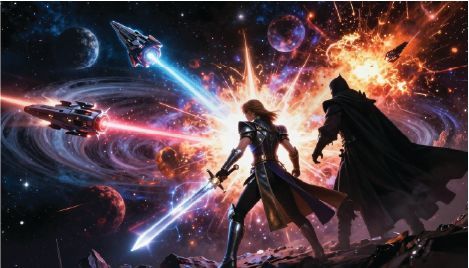
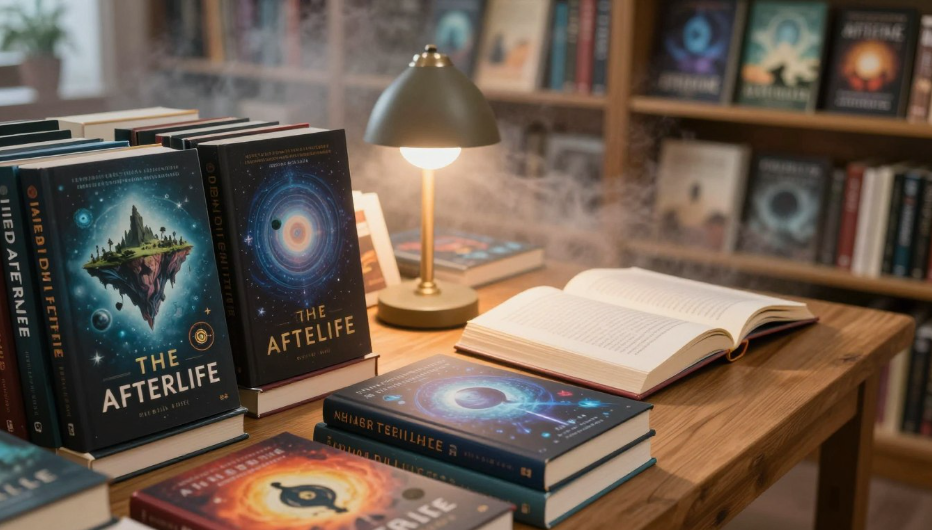
Ralph Riccie builds on this tradition with an afterlife where the war between good and evil continues beyond death. Writing under a pen name after more than 40 years in quality and finance, Riccie brings a disciplined approach to a long-running supernatural story. These recommendations highlight bold settings, lasting moral stakes, and battles that reach far beyond the grave.
Key Takeaways
- Cosmic warfare expands an ancient moral conflict.
- Afterlife realms can become active battlefields.
- These selections span spiritual and political struggles.
- Online reading communities fuel interest in the genre.
- Ralph Riccie offers a distinctive afterlife premise.
Beyond the Grave: Why the Battle Between Good and Evil Continues
Death changes the setting, not the stakes. In Ralph Riccie’s afterlife universe, souls enter an active theater of cosmic war. The conflict between good and evil continues after death, as new powers challenge every fragile world. This fantasy premise gives the afterlife urgency rather than quiet rest.
Afterlife Worlds Where Cosmic War Fiction Never Ends
The conflict feels vast, yet its pressure stays personal. Each decision can affect allies, realms, and the future of the series. Riccie’s story asks whether courage survives death when old loyalties meet unfamiliar rules. That continuing struggle is the series’ central hook.
Dark vs Light Paranormal Books and the Nature of Morality
Dark vs light paranormal books often test the nature of morality. In Philip Pullman’s
His Dark Materials, the Magisterium uses religious authority to persuade people that harm serves God. The critique targets an abusive system, not personal faith itself. Leaders turn fear into sacred duty, showing how power can make people accept cruelty. This fantasy question remains sharp: does supernatural power reveal character, or tempt it?
| Lens | Riccie | Pullman |
|---|---|---|
| Afterlife | Active battlefield | Institutional control |
| Core question | Can choice endure? | Who defines duty? |
How to Choose High Stakes Supernatural Fiction
Start with the scale of the conflict, then ask what each choice can cost. High stakes fiction links epic battles to emotional, political, and spiritual pressure. The strongest stories make every victory feel earned and every loss matter.
Epic Battles, Complex Characters, and Immersive Worlds
Brandon Sanderson’s The Stormlight Archive shows how a long series can build lasting momentum. Planned as ten books, with five released according to the source, it offers vast history, culture, architecture, science, magic, and war. Roshar feels larger than a battlefield because its systems shape daily life. Large novels also reward readers who enjoy multiple points of view, deep lore, and political intrigue. In a strong fantasy novel, action reveals character values instead of serving as spectacle alone. Look for characters whose choices change their allies, nations, and beliefs. That approach gives a reader a clear way to judge the stakes across the series.
“The best cosmic wars test the heart before they test the sword.”
- Meaningful consequences
- Memorable characters
- Layered worldbuilding
- Action with emotional purpose
Epic Good vs Evil Fantasy Books Across Multiple Worlds
Three major series turn moral conflict into journeys across vast worlds. Each story links personal choices with larger battles over freedom, power, and justice. Together, they offer a strong starting point for readers seeking immersive fantasy novels.
His Dark Materials and the Conflict Between Faith, Authority, and Freedom
Philip Pullman’s trilogy follows Lyra and Will across multiple universes. In The Golden Compass, Lyra leaves home to rescue Roger from the Gobblers. Daemons, witches, armoured bears, and the Magisterium enrich the world. The story questions authority while protecting loyalty and free thought.
The Stormlight Archive and Redemption in a World at War
Brandon Sanderson sets this series on Roshar, a land shaped by storms, magic, politics, and war. Planned as ten books, with five released according to the source, it gives damaged characters room to change. Their search for redemption makes every battle feel personal.
One Piece and Heroes Who Challenge Corrupt Systems
Eiichiro Oda’s story follows Monkey D. Luffy and the Straw Hat crew through eleven sagas. The Red Line, Grand Line, sky islands, fishmen, and sentient toys create constant surprise. Luffy’s crew acts as heroes, while the World Government and Navy often represent corruption.
Best for: readers who value freedom, moral growth, and bold worldbuilding.
Folklore, Spirits, and the Roots of Evil
Fear can twist a familiar spirit into a threat. Folklore makes this idea vivid by showing how belief shapes a community’s choices. In Katherine Arden’s Winternight Trilogy, supernatural danger grows from both ancient forces and human suspicion.
The Winternight Trilogy and the Danger of Misplaced Fear
Set in medieval Russia, the series follows Vasya, a young woman who sees and speaks with spirits. Winter controls the story’s rhythm. It affects survival, family bonds, faith, and the fragile line between the natural world and magic. Vasya’s stepmother fears the spirits that protect the village. A cleric feeds that fear and turns religious anxiety into a weapon. His influence makes him a persuasive villain, while the supernatural bear in The Bear and the Nightingale adds real dread. Arden’s story shows that harmful choices often begin with false certainty. These characters make the book’s central conflict feel personal, not distant. The tale also proves that folklore can deepen supernatural stories without dividing every force into simple light and darkness.
- Folklore shapes daily life.
- Winter raises the stakes.
- Fear enables corruption.
| Element | Role in the Story | Effect on the Conflict |
|---|---|---|
| Vasya | Spirit-seeing heroine | Challenges village beliefs |
| Winter | Harsh setting | Increases vulnerability |
| The cleric | Manipulator | Turns fear into harm |
Cozy Fantasy Heroes Who Resist Violence
Not every cosmic conflict needs a battlefield. Some heroes protect their home through patience, trust, and brave choices. The Faery Rebels trilogy shows how peaceful resistance can carry real emotional weight while danger closes in.
Faery Rebels and the Search for Peace Beyond Good and Evil
Knife, Linden, and Rhosmari work to save their home and the faerie world. Knife refuses to use force against her Queen when they disagree about a human neighbor. Her decision offers another way to challenge injustice. It also shows that morality can demand restraint, even when fear encourages quick actions. Later installments introduce a more dangerous antagonist, yet the characters keep their nonviolent principles. Their story explores faerie rules, human mistrust, and the fragile links between both communities. Friendship, courage, and slow-burn romance create stakes without constant combat.
- Gentle heroes face serious supernatural threats.
- Ethical choices shape the series.
- The faerie world adds depth to each book.
- Readers seeking hopeful books find lasting heart.
Grimdark Fantasy Where Heroes and Villains Blur Together
Some war stories offer no clean path to victory. Grimdark fiction enters that space, where power stains every choice and survival demands a price. Its darker tone makes a sharp counterpoint to cosmic warfare built around clear moral sides.
The First Law Trilogy and the Cost of Moral Compromise
Joe Abercrombie’s The First Law Trilogy follows Logen Ninefingers and Sand dan Glokta through a harsh world shaped by war, politics, and fear. The series breaks classic tropes with damaged characters, hidden motives, and no purely heroic figure. Even moments of mercy carry risk. Grounded action and sharp political intrigue give the plot real weight. Victories often create fresh harm, while bitter endings expose the cost of betrayal and ambition. Abercrombie’s writing keeps each character human without excusing cruel choices. Mark Lawrence offers another grimdark path in The Broken Empire Trilogy. Jorg Ancrath is a violent antihero driven by revenge and shaped by a brutal past. Readers may enjoy these novels if they prefer:
- Morally gray characters
- Bleak settings and difficult choices
- Brutal action with lasting consequences
- Stories where villains can show humanity
Political Conflict, Religion, and Shifting Moral Perspectives
Righteousness can change when power controls the story. Samantha Shannon’s The Priory of the Orange Tree places political intrigue beside religious conflict, creating a world where rival factions defend opposing visions of justice. Each side believes its cause protects people from disaster.
The Priory of the Orange Tree and Competing Visions of Righteousness
The novel connects history, survival, cultural bias, and authority. These forces shape the characters’ judgments about morality. A belief that seems noble to one group may appear dangerous to another. This tension gives the fantasy novel more depth than a simple battle between heroes and villains. A similar pattern drives A Song of Ice and Fire. Jaime Lannister begins as a villain, yet later choices reveal duty, regret, and compassion. Stannis Baratheon follows the opposite path. His firm sense of justice can become cruel when he places law above mercy. Like A Song of Ice and Fire, this series shows how institutions define enemies. The wider fantasy story asks whether a cause is truly righteous or merely powerful enough to claim that title. Readers of fantasy novels can compare these aspects:
- Religion can unite factions or deepen fear.
- Political systems shape public judgment.
- Personal actions challenge official labels.
| Work | Central Tension | Moral Insight |
|---|---|---|
| The Priory of the Orange Tree | Faith and survival | Certainty can hide bias |
| A Song of Ice and Fire | Power and duty | Justice may become cruelty |
| Both stories | Institutions and identity | Power shapes righteousness |
What These Cosmic War Stories Reveal About Good and Evil
The deepest battles begin with choices, not armies. Across this fantasy series, good and evil act less like fixed labels and more like patterns shaped by fear, power, loyalty, freedom, and responsibility. In The Name of the Wind, Kvothe seeks worthy goals, yet his choices can cause harm he never expects. N.K. Jemisin’s The Fifth Season follows Essun, whose feared abilities make survival, protection, and revenge hard to separate. The fifth season shows how oppression can distort every moral decision. Mistborn begins after the Dark Lord has seized control. Vin and her crew must challenge his rule while facing the compromises that follow rebellion. Meanwhile, A Song of Ice and Fire uses complex characters to question who deserves the title of hero.
“A lasting hero is measured by what power cannot make them forget.”
- Readers find redemption, sacrifice, resistance, and nonviolence.
- These themes keep supernatural stories relevant over time.
Ralph Riccie extends that question beyond mortal life. His afterlife world suggests that moral choices still matter when the battlefield becomes cosmic, giving fantasy novels a compelling reason to endure.
Discover Ralph Riccie’s Afterlife Fantasy Series
Ralph Riccie presents an afterlife where supernatural conflict continues after death. His series gives readers a fresh way to explore moral choice, spiritual consequences, and the forces that shape people beyond mortal life.
How Ralph Riccie Builds a Continuing Supernatural Struggle Beyond Death
Ralph Riccie is the pseudonym of an author with more than 40 years of experience in quality and finance. That professional background supports careful writing, structured plots, and a focused approach to long-form storytelling. In this world, death does not close the story. Heroes, villains, and every character must face the results of past actions. The novel explores how loyalty, courage, and fear can change over time. It also asks whether a villain can choose a different path when old powers still control the conflict.
Explore the Latest Books at What It All Means Books
Readers can learn more about the author and his supernatural stories at What It All Means Books. Visit the latest
Ralph Riccie books to discover the continuing series and decide where to begin.
This afterlife fantasy novel offers a distinctive next step for readers who enjoy cosmic stakes, spiritual mystery, and stories that refuse to end with death.
| Work | Central Question | Moral Pressure |
|---|---|---|
| The Name of the Wind | Can intent prevent harm? | Unintended consequences |
| The Fifth Season | Who defines danger? | Fear and oppression |
| Mistborn | Can revolt stay just? | Power after victory |
| A Song of Ice and Fire | What makes a hero? | Duty and compromise |
Conclusion
These seven selections show how good and evil can drive epic fantasy while leaving room for ambiguity, redemption, humor, folklore, politics, and peaceful resistance.
His Dark Materials,
The Stormlight Archive, and
One Piece prove that vast worlds can still center on loyalty and courage. The other titles add fresh views of fear, violence, authority, compromise, and peaceful resistance. For readers who want supernatural conflict to continue beyond death,
Ralph Riccie’s afterlife series offers a fresh story with spiritual stakes. The author builds a wide plot around each character’s choices, giving the battle lasting personal weight.
Explore the latest books at
What It All Means Books: whatitallmeansbooks.com/books. This name is a useful starting point for any reader seeking unusual supernatural stories. In the end, good and evil matter most through the choices that shape every realm.
Frequently Asked Questions About 7 Good vs Evil Fantasy Books
What makes a story about moral conflict worth reading?
Strong stories give heroes, villains, and ordinary people believable motives. Their actions reveal how fear, power, faith, and love shape a person’s sense of right and wrong.
Which novels feature cosmic warfare across several worlds?
A: His Dark Materials, The Stormlight Archive, and The Priory of the Orange Tree all explore vast conflicts. Each series combines political tension, magic, religion, and high personal stakes.
Is His Dark Materials suitable for readers who enjoy complex themes?
Yes. Philip Pullman’s story examines authority, free will, faith, and personal courage. Lyra’s journey moves through multiple worlds while challenging systems that claim moral power.
How does The Stormlight Archive handle redemption?
Brandon Sanderson gives many characters painful pasts and difficult choices. Their growth comes through responsibility, sacrifice, and the effort to protect others during a world-changing war.
Why does One Piece fit stories about heroes challenging corrupt systems?
Eiichiro Oda’s series follows Luffy and his crew as they confront unjust rulers, abusive institutions, and hidden history. Its bright adventure style supports serious themes about freedom and justice.
What role does folklore play in The Winternight Trilogy?
Katherine Arden draws on Russian folklore, spirits, and seasonal traditions. The story shows how fear can turn unfamiliar forces into enemies, even when nature itself is not cruel.
Are there cozy novels that resist violent solutions?
Yes. Some cozy stories focus on healing, community, and peaceful choices. Legends & Lattes by Travis Baldree, for example, follows a retired adventurer who builds a new life through friendship and shared work.
Why do readers enjoy morally gray characters?
They make a plot less predictable. In The First Law Trilogy, Joe Abercrombie shows how ambition, fear, and survival can shape heroes and villains alike. Every choice carries a cost.
What makes The Priory of the Orange Tree different from standard heroic tales?
Samantha Shannon presents several cultures with competing beliefs and political goals. The novel asks whether one side can claim absolute righteousness when each group carries its own history and fears.
What should readers seek in high-stakes supernatural fiction?
Look for memorable characters, a clear plot, an immersive setting, and meaningful consequences. The strongest novels balance epic battles with quiet moments that reveal a character’s nature.
How can Ralph Riccie’s afterlife series appeal to readers who want continuing supernatural conflict?
Ralph Riccie builds a setting where death does not end the struggle. The series explores identity, memory, power, and the choices people make when another existence awaits beyond the grave.
Where can readers explore Ralph Riccie’s latest titles?
Visit What It All Means Books to discover the latest novels in the series. The site offers more details about the world, characters, themes, and continuing story.