Spiritual Noir Books That Mix Gritty Mystery with the Afterlife
Welcome to a world where shadows meet the soul. Classic detective stories usually focus on mean streets and corrupt city officials. Today, a new wave of writing takes these gritty cases into the afterlife.
This blend of hard-boiled mystery and the supernatural creates intense narrative tension. You get the cynical edge of a private eye combined with the heavy weight of cosmic justice. What It All Means stands out as a perfect example of this style.

We are seeing a rise in spiritual noir books that ask deep questions about our final fate. Readers discover that the search for a killer can lead to truths about our existence. This guide explores how vintage tropes evolve when they encounter the Great Beyond.
Key Takeaways
- Combining gritty investigations with the afterlife creates unique suspense.
- The subgenre moves beyond corrupt cities to explore moral redemption.
- "What It All Means" serves as a prime modern example for new readers.
- These stories offer both hard-boiled action and profound existential inquiries.
- Traditional detective tropes provide a grounded foundation for the supernatural.
The Rise of Spiritual Noir: Where Hard-Boiled Mystery Meets the Afterlife
Classic film noir gave us iconic movies like The Maltese Falcon and Double Indemnity. These stories defined a world filled with cynical detectives and dark, rain-slicked streets. Today, this tradition is evolving into something even more profound through spiritual noir novels.
In these new novels, the search for truth goes beyond finding a simple killer. The investigator must now navigate the murky waters of the soul and the afterlife. This spiritual noir focuses on themes of judgment and redemption that traditional crime stories only hinted at.
Modern readers increasingly embrace this trend because it adds philosophical depth to the grit. It is not about softening the edges of a hard-boiled story. Instead, spiritual noir deepens the exploration of guilt and the possibility of salvation.
- Moral ambiguity meets cosmic justice in every chapter.
- Gritty realism pairs perfectly with investigations into the afterlife.
- Existential dread transforms into a compelling search for eternal meaning.
"The noir detective's traditional search for truth in a corrupt world becomes even more compelling when the stakes extend beyond solving a murder."
What It All Means: A Prime Example of Spiritual Noir Done Right
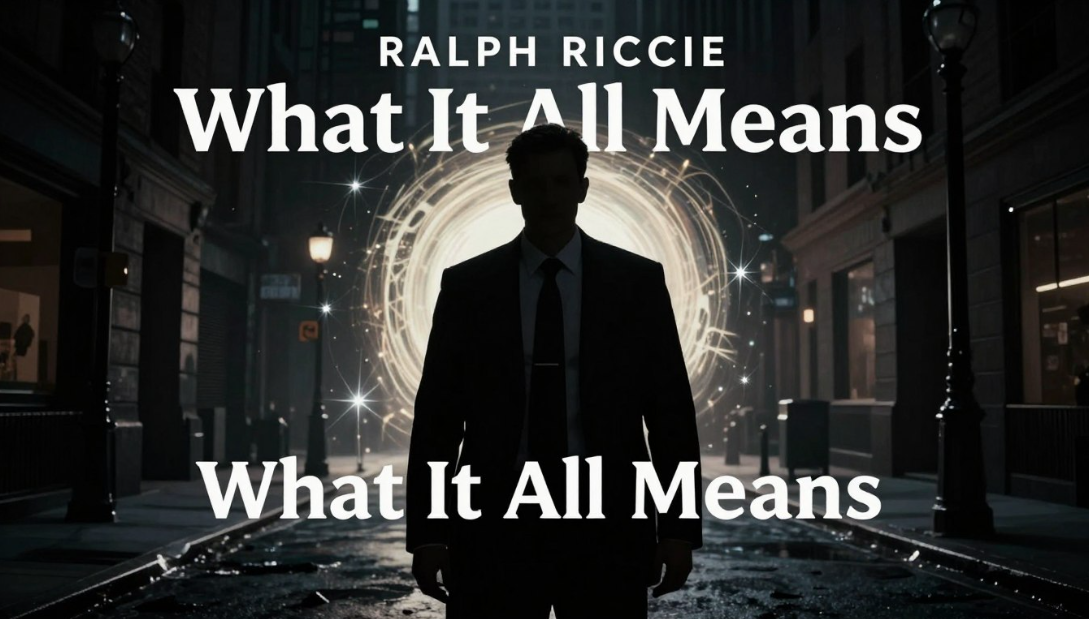
One book stands above the rest when discussing the fusion of grit and the afterlife: Ralph Riccie’s What It All Means. This story demonstrates exactly how to blend a hard-boiled mystery with deep spiritual questions. It delivers the atmospheric tension and morally complex characters that fans expect from the genre.
The narrative mirrors the gritty investigative elements found in a classic film. Author Ralph Riccie brings a unique analytical precision to his storytelling style. He spent over 40 years working in the professional fields of quality and finance.
Riccie also wrote a financial blog for a decade. This experience helped him learn to explain complex ideas with total clarity. He is a true noir enthusiast with a massive personal collection of movies and books.
This project serves as a heartfelt tribute to the genre he loves. The metaphysical elements feel natural and never forced throughout the plot. It is essential reading for anyone interested in the future of mystery fiction.
Visit the official website to learn more about this groundbreaking work. You can also go to the shop page to secure your copy today.
Why Spiritual Noir Books Create Unforgettable Tension
Spiritual
noir novels amplify the usual grit by raising the stakes to a cosmic level. In these stories, the protagonist isn't just trying to survive a dark alley in a corrupt
world. They are often wrestling with the heavy fate of their eternal soul.
The typical isolation of a detective becomes much deeper when the rules of reality are unknown. Characters must decide if redemption is truly possible in a life filled with shadows. This creates a moral weight that regular crime novels often lack.
- Readers face uncertainty about both the crime and its spiritual meaning.
- Stories tap into deep fears about what happens after we die.
- The blend of mystery and philosophy keeps the pages turning quickly.
The most terrifying thing is to accept oneself completely, even when navigating the threshold of the unknown.
The noir genre thrives on ambiguity, but adding the afterlife makes justice feel more urgent. It offers the perfect mix of visceral thrills and deep thinking for modern readers. These books prove that the most dangerous enemies are often the ones we cannot see.
The Classic Noir Foundations: Hammett and Chandler's Moral Underworld
Long before metaphysical questions entered the picture, authors were already mapping out the geography of human sin. These noir novels established a template where a hard-boiled detective navigates a deeply corrupt world. In these stories, everyone has a hidden agenda, and greed serves as the primary engine for human behavior.
By exploring these moral depths, these authors paved the way for later stories about the soul and the afterlife. They showed us a world where true justice is often impossible to find on the city streets. This thick atmosphere of moral ambiguity creates the perfect starting point for any spiritual exploration.
Modern authors take these existential foundations and push them further. They ask what happens when these questions of guilt and judgment extend beyond our earthly lives. Understanding these classics is essential to seeing how the genre evolved into the metaphysical territory we enjoy today.
The Maltese Falcon by Dashiell Hammett
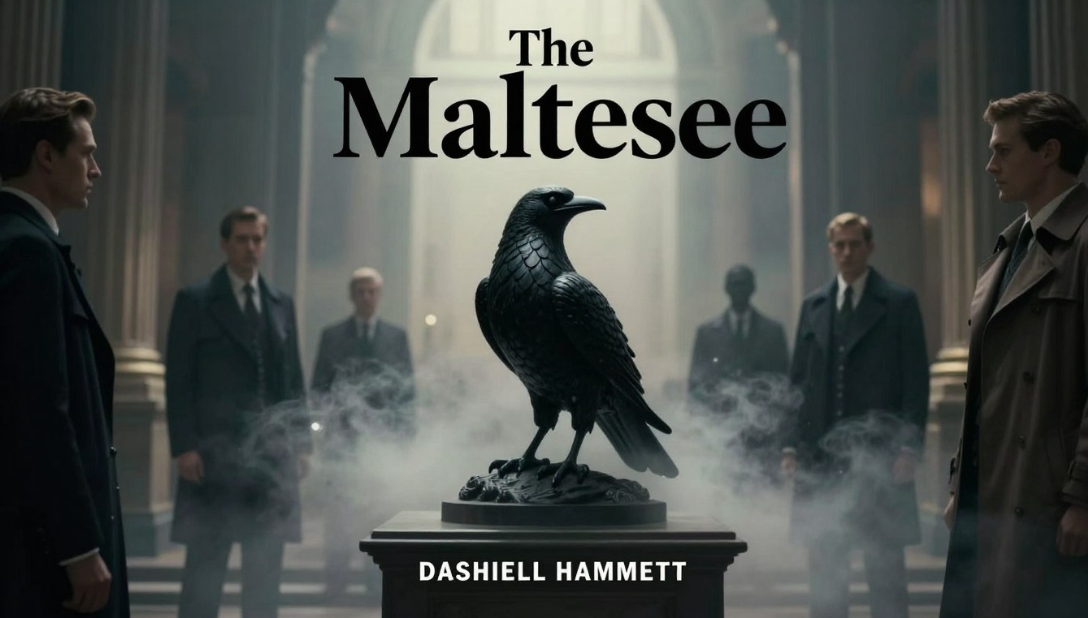
This novel serves as the ultimate foundation for the hard-boiled genre we know today. Dashiell Hammett created Sam Spade as a man trying to maintain his personal integrity in a world where compromise is inevitable. He investigates his partner's murder while dealing with slippery characters like Joel Cairo and the twitchy Wilmer.
Spade must navigate a web of lies to find a jewel-encrusted bird that everyone wants to steal. The film adaptation captured this vision so faithfully that it practically drips with black ink and cynical energy. It remains a masterpiece of the genre.
The Big Sleep by Raymond Chandler
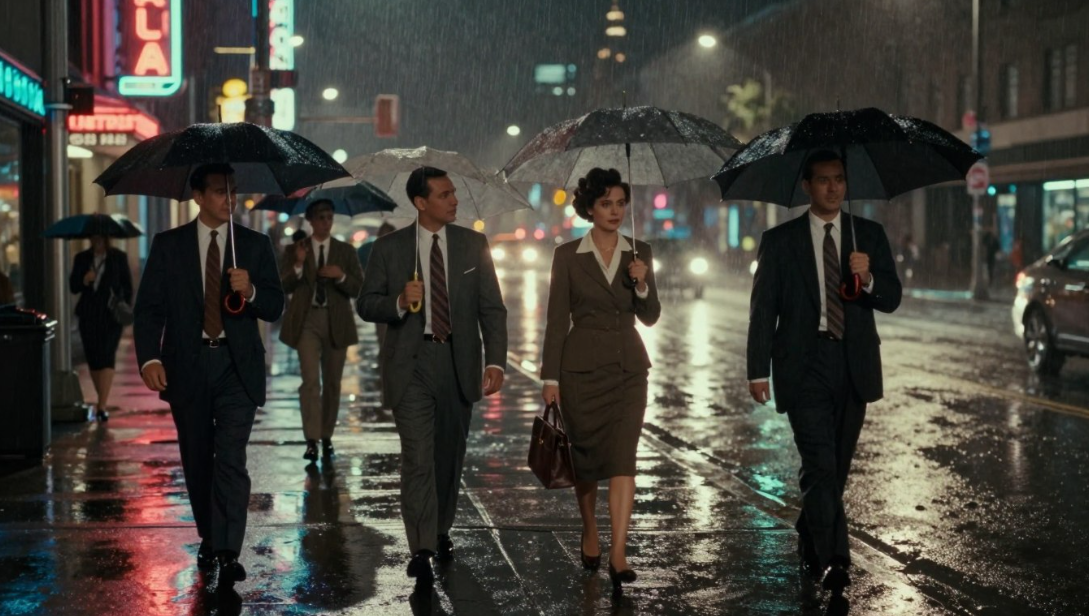
Raymond Chandler was a brilliant writer who changed how we view a crime story. In this book, private detective Philip Marlowe investigates a blackmailer targeting a wealthy man's daughter. He soon descends into a Los Angeles underworld filled with corruption and an escalating body count.
Marlowe does not simply solve the case; he survives it. He endures a
noir world where lust and vengeance motivate nearly every person he meets. Chandler shows us that moral disintegration is often just the price of doing business in a fallen society.
Supernatural Thriller Novels with Noir Soul-Searching
The evolution of the dark mystery often leads to stories where the human soul is the primary crime scene. These novels often blend the bleak outlook of film noir with a sense of dread that feels heavy.
While they might not feature literal ghosts, the psychological weight creates a deep and lasting haunting. Characters struggle in a world where their moral compass is completely shattered.
This transition toward spiritual noir shows how internal rot can be just as terrifying as any monster. These stories ask if redemption is possible after violence destroys a person's spirit.
Rendezvous in Black by Cornell Woolrich
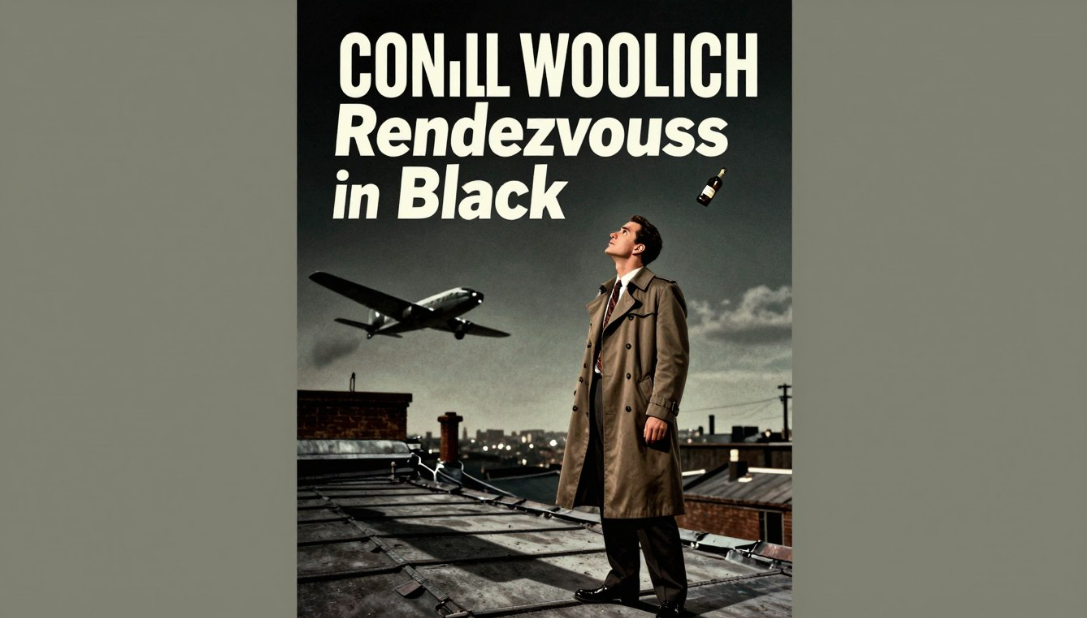
Cornell Woolrich stands as the patron saint of anxiety. He is a writer whose work drips with total dread and constant tension.
In this book, a freak accident kills Johnny Marr’s fiancée on the night of their meeting. Johnny rejects all healing and hunts the five strangers responsible for the tragedy.
The story reads like a nightmare made of sweat and static. Woolrich shows that grief can hollow you out and replace your soul with a dark, supernatural rage.
The Black Dahlia by James Ellroy
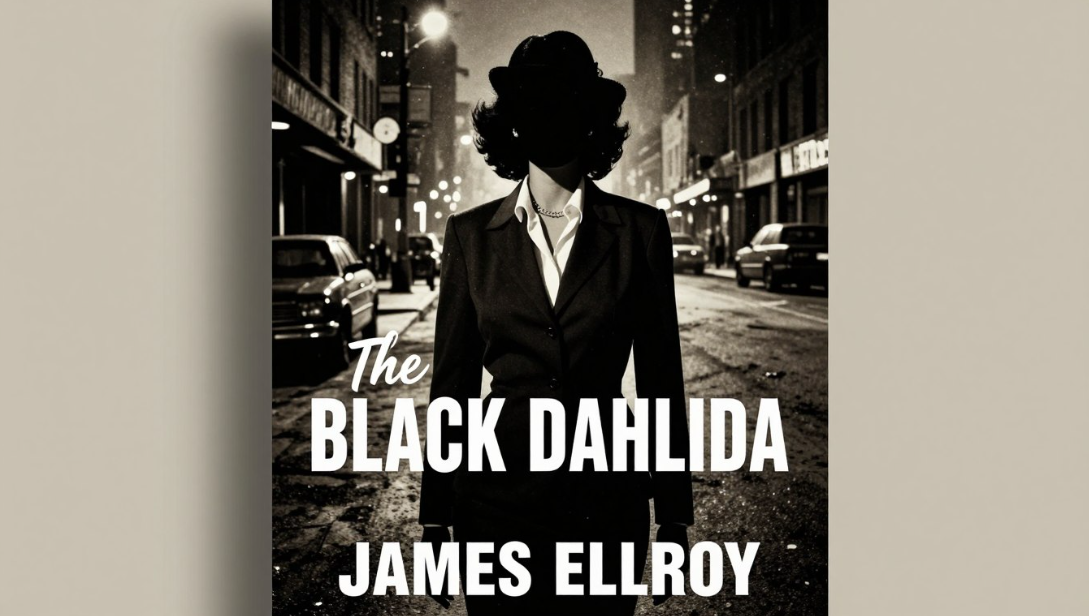
James Ellroy explores the 1947 crime of Elizabeth Short in this haunting masterpiece. This famous unsolved case becomes a deep psychological journey for everyone involved.
Two detectives investigate the starlet’s death and slowly lose their sanity. Their identities erode as they descend into the case's many dark twists.
It shows that
noir aesthetics can highlight a soul-crushing obsession that transcends the physical. These characters face a moral disintegration that feels like a literal haunting.
Metaphysical Fiction Books: Exploring Morality Beyond Death
Beyond the simple thrills of a mystery lies the unsettling world of metaphysical fiction books. Patricia Highsmith stands as a master of this genre by examining the nature of evil and identity. She creates characters who operate entirely outside conventional morality.
These stories explore the philosophical territory that spiritual noir later develops into a full art form. Highsmith asks if our sense of self is fixed or just a performance. Her work suggests that transgressing moral boundaries changes a person's life in ways they cannot undo.
In these books, the focus shifts from finding a killer to understanding the rot inside the soul. Readers often feel a strange pull toward these dark figures. This creates a deep sense of psychological tension that lingers long after the final page.
The Talented Mr. Ripley by Patricia Highsmith
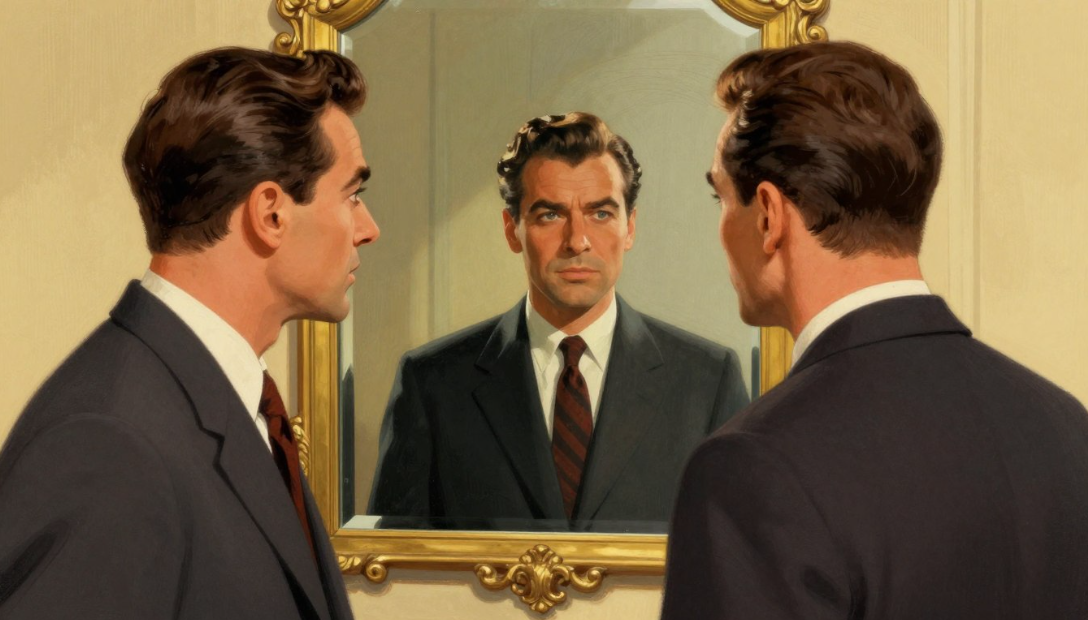
Tom Ripley is a shape-shifting sociopath who lies and kills with chilling efficiency. In this novel, a wealthy man sends Ripley to Italy to retrieve his son, Dickie Greenleaf. Instead, Ripley decides to kill Dickie and steal his identity.
Highsmith forces us to feel a terrifying cognitive dissonance. We are horrified by his actions, yet we kind of want him to get away with it. This story explores whether the self is something we can simply discard and replace.
Strangers on a Train by Patricia Highsmith
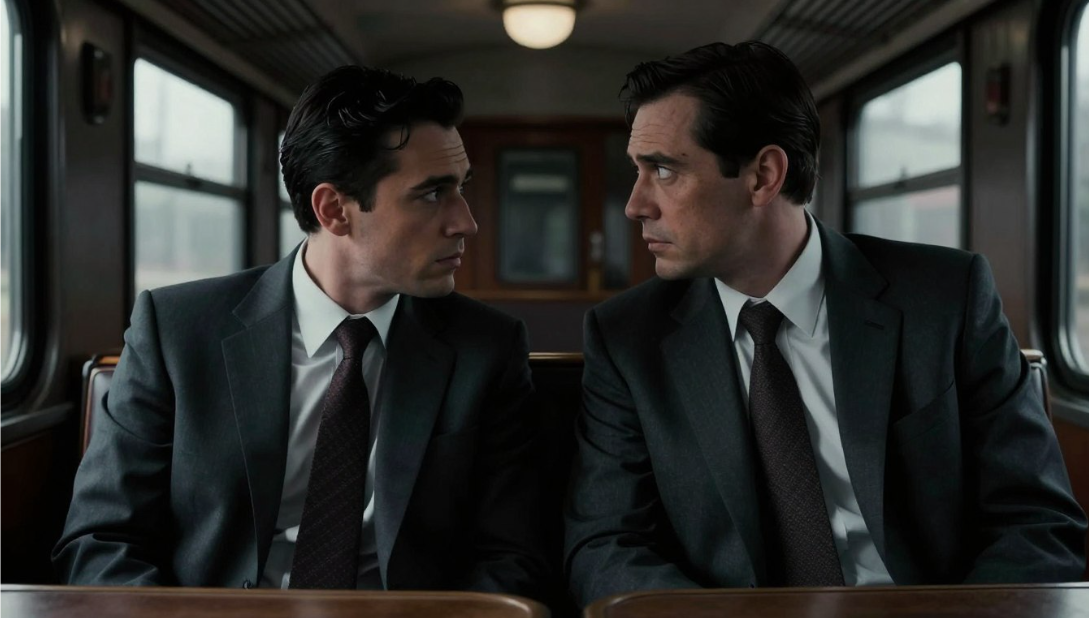
Two men meet on a train and discuss a "perfect" crime to solve their problems. Bruno proposes a murder swap with Guy to remove any clear motive for the police. While Guy thinks it is a joke, Bruno is deadly serious.
This novel builds dread like a cage closing around the reader until no escape remains. Guy sinks into a nightmare he never actually agreed to join. It is a haunting look at how one choice can corrupt a soul beyond any hope of redemption.
Philosophical Mystery Thrillers: Evil, Redemption, and Cosmic Justice
Exploring the shadows of the human heart, philosophical mystery thrillers ask if cosmic justice truly exists. These books do more than track a killer; they probe the nature of evil itself. In many noir novels, the "whodunit" matters less than the "why." You start to see characters who aren't just running from the law, but from their own souls.
These stories focus on whether redemption is possible for someone who has crossed the line. They explore if there is a higher moral order waiting to balance the scales. By focusing on the internal struggle, these books lay the foundation for spiritual noir. They offer no easy answers about heaven or hell.
They force a man to face his own reflection in the dark. It is here that we find the bridge between gritty realism and the search for ultimate meaning in a cold world. These narratives suggest that even if the police fail, the universe might still demand a payment for one's sins.
The Killer Inside Me by Jim Thompson

Small-town sheriff Lou Ford seems like a polite neighbor. However, this novel reveals a terrifying truth beneath his slow-talking charm. He is a sociopath who embodies pure evil. Thompson moves the noir setting to the hot, dusty South.
Here, the sun cracks the veneer of respectability. We are forced to ask if some people are born without hope for salvation. It is a chilling look at a soul that feels no guilt. The book asks if such darkness faces a cosmic end or simply disappears.
Double Indemnity by James M. Cain
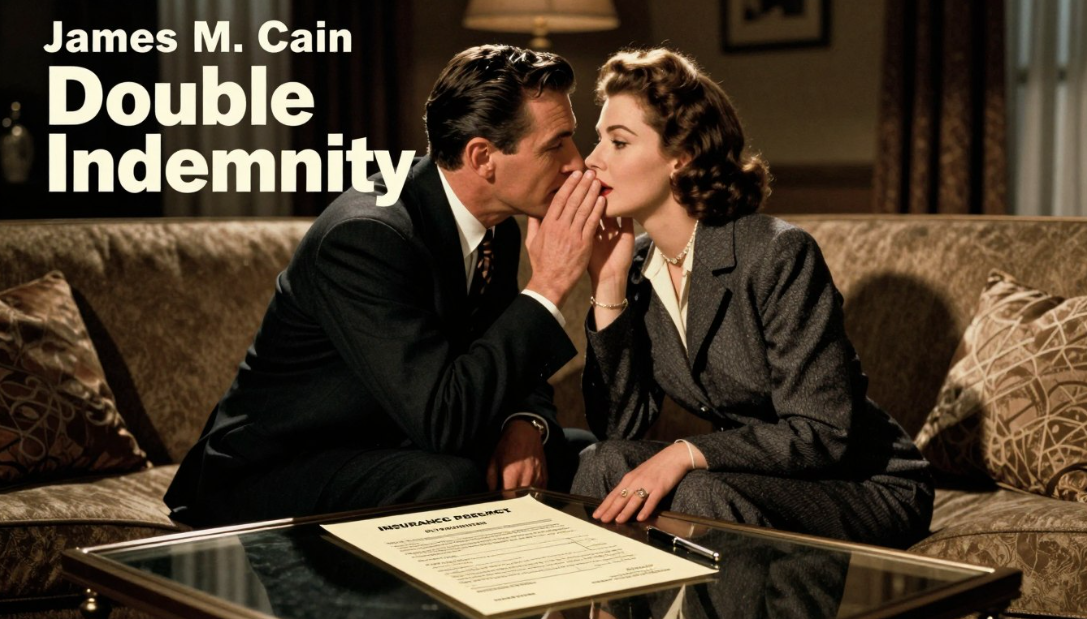
Walter Huff is a regular insurance salesman until he meets a dangerous woman. Their crime of passion and greed quickly turns into a nightmare of suspicion. This story, also a legendary film, highlights how fast a soul can rot. Cain uses an immediate style to show that guilt is a poison.
The characters cannot escape the weight of their choices. It explores if people can live with themselves after throwing away their moral compass for money. The price of their sin is paid long before the law ever catches up to them.
Modern Spiritual Noir: Contemporary Takes on Gritty Transcendence
The noir genre remains strong today as modern writers mix classic mystery with deep spiritual themes. These stories prove the genre is still thriving and evolving in the current literary market. They offer readers visceral excitement while asking hard questions about suffering, guilt, and the chance for change.
By blending traditional elements with metaphysical ideas, authors show the style is growing. These works show that characters hurt by violence can seek meaning beyond survival. They focus on the hope for transformation within a very harsh and cruel world where justice is rare.
This mix keeps the gritty feel of film noir while reaching for higher truths. Readers find a deeper satisfaction in stories that look past the darkness and into the human heart. Modern noir novels show that even in the toughest crime stories, the search for redemption continues to drive the narrative.
Hardcase by Dan Simmons
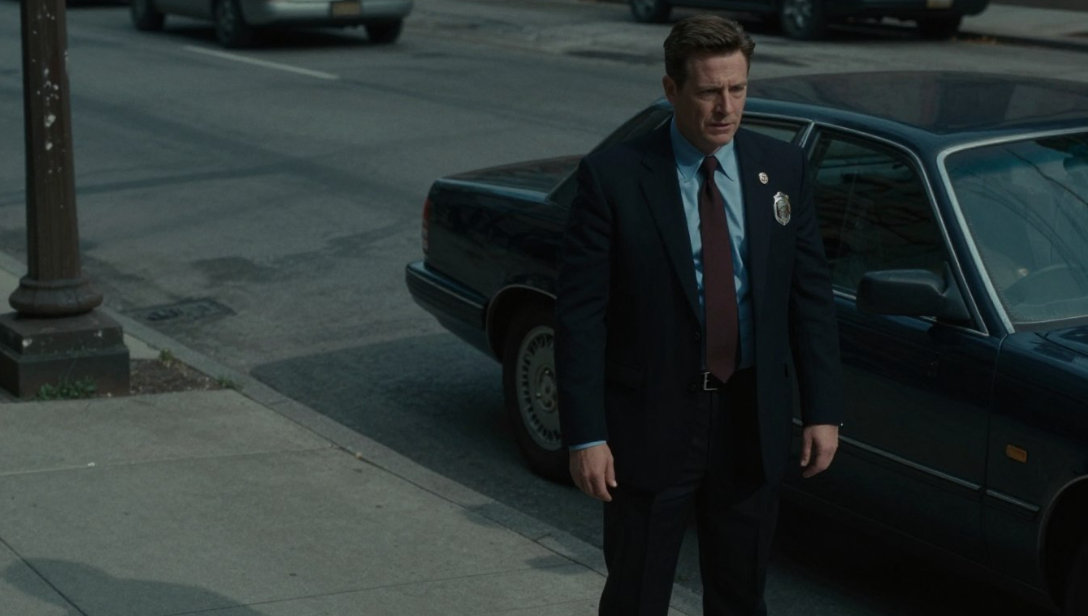
Joe Kurtz leaves prison after ten years only to enter a new world of danger. He takes a job for a mob boss to find a missing accountant before secrets spill. Kurtz faces treachery and noir violence with no one to help him.
Simmons explores if a man whom violence defined can find a way to redeem his soul while surviving. This story highlights the possibility of change even after a life spent in the shadows of the underworld.
Exile by Denise Mina

Maureen O’Donnell works at a shelter and investigates a resident's murder. Past trauma still haunts her as she seeks the truth behind the woman’s death. This story from Denise Mina's novels blends old pain with current danger.
It asks deep questions about healing and
moral justice in a broken system. Maureen risks her life to find a sense of true purpose while hunting a killer through the dark streets. Her journey shows how the
search for truth leads to spiritual strength.
How Film Noir's Visual Language Translates to Spiritual Storytelling
The moody aesthetic of film noir serves as more than just a backdrop; it becomes a language for the spirit. Authors use stark contrasts between shadow and light to mirror a soul navigating between damnation and salvation. This visual style creates the perfect foundation for spiritual storytelling.
Iconic imagery, like a man in a trenchcoat under venetian blind shadows, represents moral ambiguity. These visual cues show characters caught between their darkest impulses and the light of truth.
Atmospheric details allow readers to feel the weight of a character's conscience.
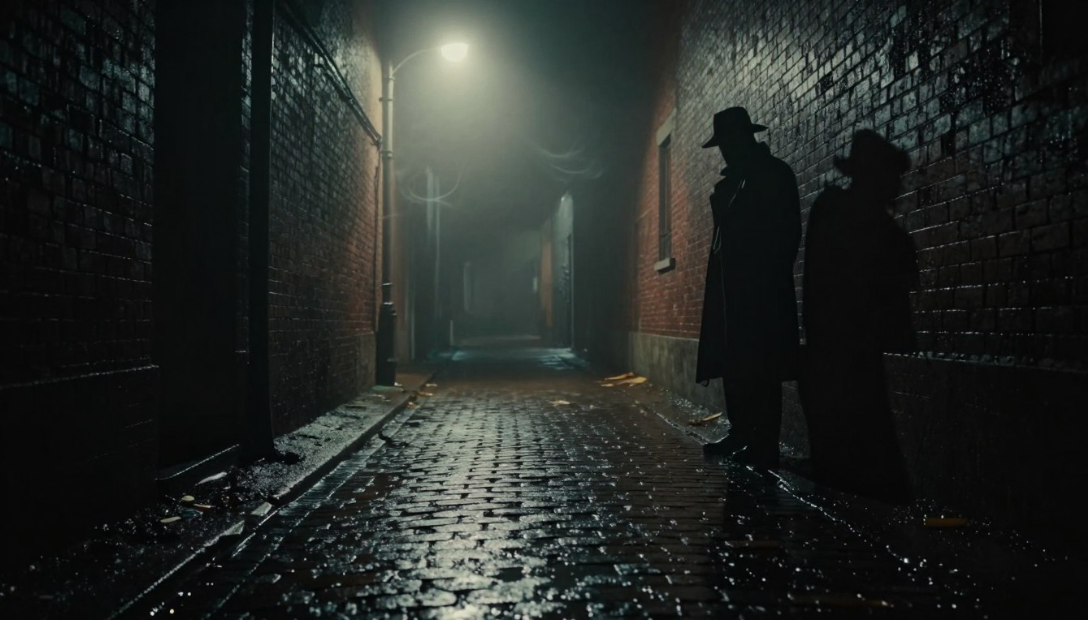
Classic film noir movies use cinematography to externalize internal moral struggles and spiritual uncertainty. When a figure emerges from the darkness, it signifies a choice between good and evil. This creates a liminal world where characters face life's ultimate questions alone.
Authors use these visual techniques in prose to maintain a gritty noir atmosphere while exploring the metaphysical. By describing neon signs reflecting in puddles, writers build a bridge between the physical and the otherworldly.
- Shadow and Light: Represents the constant struggle for redemption and the presence of evil.
- Rainy Streets: Creates a sense of being suspended between the everyday and the divine.
- Lone Figures: Highlights the spiritual isolation of a soul facing ultimate judgment.
Understanding this visual vocabulary helps readers appreciate how authors create meaning. It allows the genre to explore deep territory while staying true to its hard-boiled roots. These elements ensure that the quest for justice feels both
gritty and cosmic.
Ralph Riccie: Bringing 40 Years of Noir Passion to Metaphysical Mystery
Meet Ralph Riccie, a talented writer who brings a unique edge to noir novels. He spent over 40 years working in the fields of quality and finance. This professional career gave him the analytical rigor needed to craft great mysteries.
For ten years, Ralph shared financial advice through a daily blog for novice investors. He uses that same clarity to explore the mystery of the afterlife. He also maintains a massive collection of classic films and hard-boiled literature that represents decades of study.
His latest
book,
What It All Means, serves as a heartfelt tribute to the
noir genre. You can explore more about
Ralph Riccie and his work at
https://www.whatitallmeansbooks.com/. Bring his unique blend of expertise
home by purchasing his story at
https://www.whatitallmeansbooks.com/books.
Conclusion
The transition from classic crime to metaphysical mystery creates a unique reading experience. These novels represent an exciting evolution of the film noir tradition. They maintain a dark world while adding deep spiritual layers.
Characters must face the consequences of crime in life and the afterlife. This noir style creates tension for every man and explores the soul. It offers a film-like thrill that remains both visceral and intelligent.
Explore
What It All Means by
Ralph Riccie to see this evolution in action. Bring this journey
home by visiting
https://www.whatitallmeansbooks.com/. Purchase the book at
https://www.whatitallmeansbooks.com/books to start your adventure into the unknown today.
Frequently Asked Questions About Spiritual Noir Books That Mix Gritty Mystery with the Afterlife
What defines a story that blends gritty mystery with the afterlife?
This genre merges a harsh world with soul-searching themes. A writer like Ralph Riccie places characters in dark settings where crime leads to deep reflection. These novels explore what happens when a man faces his own mortality through a spiritual lens.
Which classic authors built the foundation for these hard-boiled themes?
Legends like Dashiell Hammett and Raymond Chandler created the template. Their film noir influence focuses on a tough life and difficult choices. While they wrote about mean streets, their work helps a modern novel reach for cosmic meaning.
Can readers find these themes in modern literature?
Yes, authors like Dan Simmons and Denise Mina offer fresh takes. A contemporary spiritual noir books entry might follow a detective finding his way home after a tragedy. These stories keep the tension high while looking for redemption and truth.
How does the visual style of cinema impact these written tales?
The shadows and moody lighting of a film influence how a writer describes the world. It creates a sense of dread that fits characters looking for justice. This visual flair makes every gritty scene feel more intense and haunting for the reader.
Why is the concept of a moral underworld so popular in this literature?
Many people enjoy seeing a flawed man struggle with his past. It feels real because life is often messy. Readers connect with a protagonist like those in a Patricia Highsmith book who wants to fix his mistakes while facing evil.