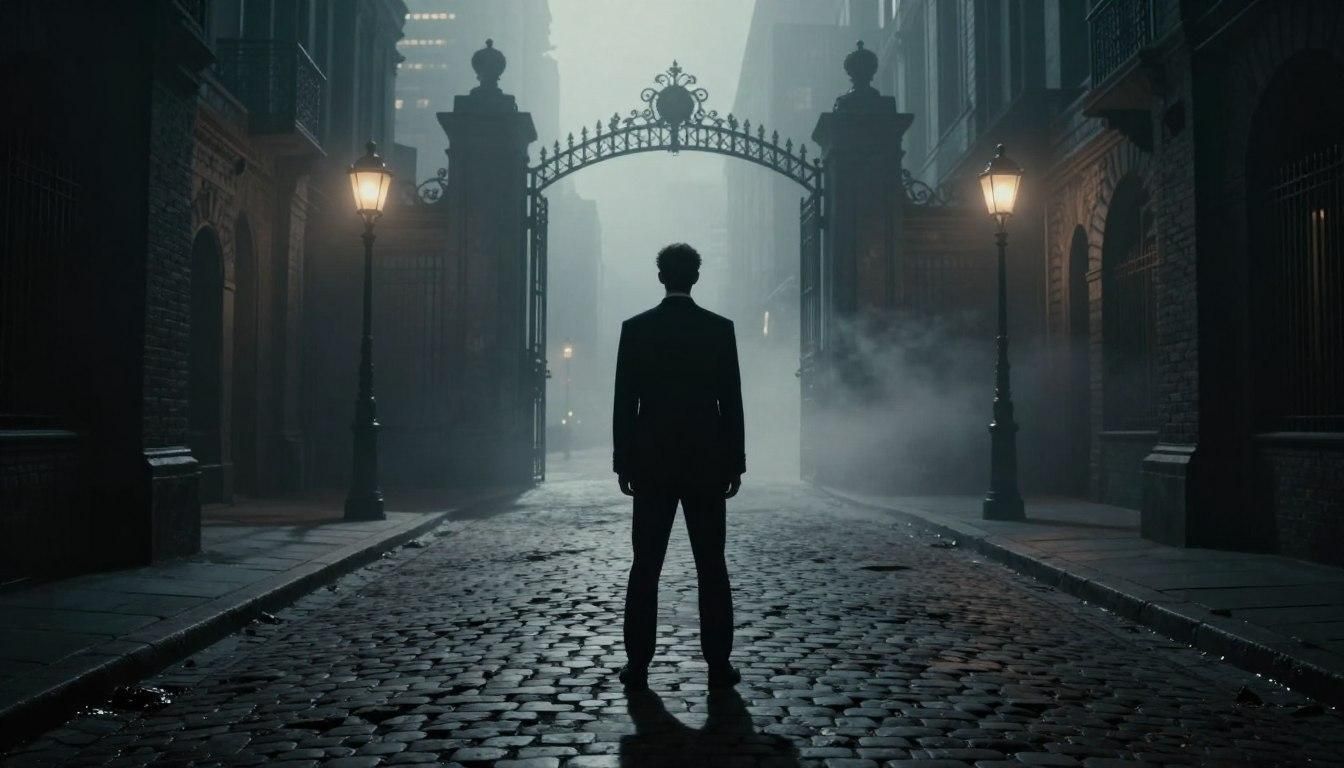
Discover What is Metaphysical Death in Ralph Riccie's Latest Book
Ralph Riccie's newest work dives into profound themes with a noir-inspired touch. His exploration goes beyond typical boundaries, examining life's deepest mysteries.

Since existence began, the end has been a constant companion. Many believe our finite time gives each day its value and purpose.
This concept isn't just about physical cessation. Various traditions and philosophies offer rich, diverse interpretations of this universal experience.
Riccie blends gritty noir elements with thoughtful inquiry. His unique perspective helps readers process loss and find deeper meaning.
Understanding these different dimensions can transform how we view our journey. It connects profound ideas to everyday experiences of grief and significance.
Key Takeaways
- Ralph Riccie's book combines noir style with deep philosophical themes
- Death has multiple interpretations across different cultures and beliefs
- The concept extends beyond physical ending to metaphysical dimensions
- Understanding these ideas can help with grief processing
- Various traditions offer unique perspectives on life's final transition
- This topic connects profound concepts to everyday experiences
- Exploring these themes adds depth to our understanding of existence
Meet Ralph Riccie: A Noir Fan Exploring Life's Deepest Questions
Behind the intriguing pseudonym Ralph Riccie lies an author whose four-decade journey through quality control and finance has shaped a unique philosophical perspective. This experienced person brings analytical rigor to existential exploration.
Over time, his diverse professional background has cultivated a distinctive way of examining complex concepts. His approach makes profound ideas accessible to everyday readers.
Four Decades of Expertise in Quality, Finance, and Writing
Ralph Riccie represents forty-plus years of professional excellence across multiple disciplines. His background in quality systems and financial analysis provides a structured framework for philosophical inquiry.
For ten years, he maintained a daily financial blog helping novice investors navigate complex markets. This commitment demonstrates his ability to simplify intricate subjects for broader audiences.
His writing transforms abstract concepts into relatable insights. This skill makes challenging philosophical material approachable for all readers.
A Passion for Noir and Its Philosophical Depths
Riccie's fascination with noir extends beyond entertainment into philosophical territory. His extensive collection of films and literature reflects deep engagement with the genre's darker themes.
The noir aesthetic shapes his examination of life's complexities. Shadows and moral ambiguity become tools for exploring human existence.
"Noir isn't just a style—it's a way of seeing the world that acknowledges life's complexities without losing sight of its beauty."
This perspective informs his latest book, serving as both tribute and philosophical extension of the genre he loves. The work connects noir's visual and narrative language to larger questions about meaning.
Where to Find Ralph Riccie's Work
Readers can explore Riccie's unique blend of noir and philosophy through his published works. His website at https://www.whatitallmeansbooks.com/ offers the complete collection.
The latest book examining these profound themes is available at
https://www.whatitallmeansbooks.com/books. This volume represents the culmination of his diverse experiences and passionate interests.
Following his ongoing projects provides continuing access to fresh perspectives on timeless questions. His work remains relevant to contemporary lives while drawing on enduring philosophical traditions.
Moving Beyond the Physical: An Introduction to Different Deaths
Our journey through existence involves more than just biological changes. Many traditions recognize multiple dimensions to life's final transition.
Why Our Understanding of Death is Multi-Layered
Kenneth Kramer's framework reveals three distinct faces of this universal experience. His work shows how we encounter endings throughout our lives.
Physical cessation represents only one aspect. Psychological and spiritual dimensions occur while we're still breathing.
This layered approach helps explain why grief feels so complex. We're processing multiple losses simultaneously.
The Challenge of Grief and the Fear of Death
Grief becomes the journey of making sense of these endings. It's the emotional process of coming to terms with loss.
This challenging experience can trigger deep anxiety about mortality. Some people develop intense fear, while others find philosophical curiosity.
Understanding that we face multiple types of endings can actually reduce anxiety. Recognizing these patterns helps normalize our experiences.
Kenneth Kramer's Three Faces of Death
Kramer identifies physical, psychological, and spiritual dimensions. Each form affects us in unique ways.
Psychological withdrawal often begins when people accept their mortality. Social connections may decrease as others feel uncomfortable around dying individuals.
These non-physical endings can sometimes feel more painful than biological cessation. Losing social roles and identities hurts deeply.
Real-life examples show people experiencing these layers differently. A person might be socially isolated long before their physical end.
Recognizing these patterns helps us process personal experiences more effectively. It brings clarity to complex emotional journeys.
What is Metaphysical Death? Unpacking the Concept
Exploring the deeper dimensions of life's final transition reveals fascinating philosophical territory. This examination goes beyond biological functions to consider broader questions about existence.
Metaphysics: The Supernatural vs. The Nature of Reality
Metaphysics explores two distinct yet connected areas of inquiry. One approach examines supernatural concepts like immaterial souls.
The other focuses on accurately describing physical reality. Both perspectives offer valuable insights into life's biggest questions.
This dual nature creates rich philosophical discussions. Different traditions emphasize various aspects of metaphysical inquiry.
How Metaphysical Death Differs from Biological Cessation
Biological cessation marks the end of physical functions. The metaphysical dimension concerns the essence of a person.
This distinction matters greatly in philosophical discussions. It separates physical processes from questions about consciousness.
Different cultures approach this distinction uniquely. Their traditions reflect diverse understandings of life's final transition.
Epistemology: The Problem of Knowing When Death Occurs
Epistemology examines how we know things about the world. Determining the exact moment of transition presents significant challenges.
Scientific approaches methodologically exclude supernatural explanations. This creates tension between different ways of understanding.
Medical criteria like brain stem function reflect cultural values. They represent what societies consider morally relevant about human life.
The debate around defining this transition continues today. Some philosophers argue it's partly a social construct.
Medical ethics and end-of-life care grapple with these questions daily. Different criteria lead to varied determinations across cultures.
Heart stoppage and brain death represent epistemological determinations. They reflect our current understanding rather than absolute truths.
This philosophical exploration has real-world implications. It affects how we approach medical decisions and grief processing.
Understanding these distinctions helps us appreciate life's complexity. It brings depth to our consideration of existence's final chapter.
The Psychological and Social Dimensions of Dying
Beyond the physical transition lies a complex emotional landscape that profoundly affects individuals and their relationships. These non-physical dimensions often cause more suffering than the biological process itself.
Understanding Psychological Death and Withdrawal
Psychological withdrawal represents an internal preparation for life's final chapter. When a person accepts their mortality, they often begin disengaging from daily activities.
This gradual retreat serves an important purpose. It allows individuals to process their experiences and find peace.
Withdrawal patterns typically include reduced interest in news, hobbies, and social events. Loved ones might notice decreased participation in familiar routines.
This psychological process helps conserve emotional energy. It creates space for reflection and meaningful connections with closest companions.
The Painful Reality of Social Death
Social isolation frequently occurs when others feel uncomfortable around dying individuals. Friends and acquaintances may visit less often or stop contacting altogether.
This abandonment happens despite the person's ongoing need for connection. The discomfort stems from societal avoidance of mortality discussions.
Social death can feel more painful than physical decline. Losing social roles and relationships creates profound loneliness.
"The greatest gift you can give someone facing the end is your continued presence. It says their life still matters."
How Support Can Mitigate Non-Physical Deaths
Simple actions can dramatically reduce psychological and social suffering. Regular visits, phone calls, and shared activities maintain important connections.
Hospice and palliative care teams provide specialized emotional support. They address the whole person rather than just physical symptoms.
Small gestures make significant differences. Bringing favorite foods, sharing memories, or simply sitting together all communicate care.
Maintaining connection benefits both the dying and the living. It creates meaningful final experiences and comforting memories.
| Support Strategy | Psychological Benefit | Social Benefit |
|---|---|---|
| Regular visits | Reduces isolation anxiety | Maintains social bonds |
| Memory sharing | Validates life experiences | Strengthens relationships |
| Hospice care | Addresses emotional pain | Provides community support |
| Small gestures | Shows ongoing care | Maintains normalcy |
Understanding these dimensions helps caregivers provide better support. Recognizing withdrawal patterns allows for appropriate responses.
Continued engagement prevents social death from occurring prematurely. It honors the person's value until the very end.
These approaches transform the final journey into a shared experience rather than an isolated one. They bring comfort to all involved in the process.
Exploring Spiritual Death: From Religion to Personal Grief
Our journey through life's transitions includes dimensions beyond the physical realm. Spiritual experiences of ending touch both religious traditions and personal struggles with profound loss.
This exploration reveals how different traditions understand separation from the divine. It also shows how anyone can experience a loss of spirit during difficult times.
Spiritual Death in Religious Contexts: Separation from God
Abrahamic faiths share a common understanding of spiritual separation. Judaism, Christianity, and Islam all describe this condition as resulting from sinful actions.
Each tradition offers unique pathways to restoration. Faith, repentance, and divine grace serve as bridges back to connection.
This concept represents a living reality rather than a future event. Many believers work to maintain their spiritual connection daily.
The "Second Death" and Final Judgment
Some traditions speak of a final separation after physical life ends. This "second death" concept appears in various religious texts.
It represents ultimate judgment rather than mere biological cessation. Different faiths envision this final state in distinctive ways.
"The first death separates soul from body; the second separates soul from God eternally."
This idea influences how many people approach their spiritual journey. It adds urgency to maintaining right relationship with the divine.
Secular Spiritual Death: The Loss of Joy and Ambition
Non-religious people also experience profound spiritual crises. Deep grief can drain life's color and purpose from anyone's experience.
Heartbreaking losses often trigger this form of inner death. People describe feeling empty, disconnected, and without direction.
The world seems gray when joy and meaning disappear. Simple pleasures lose their appeal during these difficult periods.
This condition affects people across all belief systems. It represents a universal human experience of profound disconnection.
Pathways to Overcoming a Spiritual Death
Recovery from spiritual crisis requires patience and multiple approaches. Different strategies work for various people and situations.
Giving space while maintaining connection proves crucial. Loved ones should respect the grieving process while offering steady support.
Practical help with daily tasks reduces overwhelming feelings. Simple assistance allows the suffering person to conserve emotional energy.
Professional guidance becomes necessary when progress stalls. Therapists and counselors provide specialized tools for recovery.
Memorials and commemorations help restore meaning and purpose. They honor what was lost while creating new connections.
| Support Method | Religious Context | Secular Context |
|---|---|---|
| Faith practices | Prayer, sacraments, rituals | Meditation, nature connection |
| Community support | Religious community gathering | Support groups, friends |
| Professional help | Pastoral counseling | Therapy, grief counseling |
| Memorial activities | Religious ceremonies | Personal remembrance rituals |
Each person's path to recovery remains unique. What works for one might not work for another.
The journey back to spiritual vitality requires compassion and patience. Small steps eventually lead to renewed purpose and joy.
Understanding these various dimensions helps us support others better. It also prepares us for our own encounters with spiritual challenges.
Metaphysical Death as a Process: The Yogic View of Transmigration
Ancient yogic traditions offer a refreshing perspective on life's final transition that differs dramatically from modern views. This Eastern philosophy sees existence as an ongoing journey rather than a single lifetime.

Yoga teachings describe a continuous cycle where consciousness moves between forms. The eternal spiritual essence temporarily inhabits physical vessels throughout this process.
Death as a Surprising yet Natural Part of Life's Flow
In yogic thought, the end of physical existence represents a natural transition point. It's not an event to fear but part of existence's rhythm.
We experience mini-transitions throughout our lives. Relationships change, careers evolve, and identities shift constantly.
This viewpoint makes the final transition feel less frightening. It becomes another natural development in consciousness's journey.
The Eternal Self and the Temporary Body
The true self remains unchanged throughout multiple lifetimes. Physical forms serve as temporary vehicles for spiritual growth.
Imagine changing clothes while the person wearing them stays the same. The yogic perspective suggests our essence continues while forms change.
This understanding brings comfort to those facing mortality. The core identity persists beyond any single physical experience.
Karma, Saṁsāra, and the Cycle of Rebirth
Karma acts as the mechanism guiding consciousness between lifetimes. Our actions and intentions create momentum for future experiences.
Saṁsāra represents the cycle of repeated birth and rebirth. Consciousness continues its journey through various forms based on previous development.
The quality of our final moments significantly influences the next phase. Peaceful consciousness leads to favorable circumstances in the next experience.
"As we sow, so shall we reap—this universal law governs the journey of consciousness through countless forms."
Traces of Transmigration in Western Mystical Traditions
Similar concepts appear in various Western mystical traditions. Kabbalistic texts accepted transmigration ideas despite official religious opposition.
Islamic mysticism and the Druze faith incorporate rebirth concepts. Some New Testament passages hint at pre-birth existence too.
These cross-cultural similarities suggest a universal human intuition about consciousness's continuity. Different traditions express the same core idea uniquely.
Modern Western thinking often views physical cessation as final. The yogic perspective offers an alternative view of eternal consciousness flow.
This ancient philosophy provides comfort through its vision of ongoing development. Each lifetime becomes a chapter in a much longer story of growth.
Conclusion: Finding Meaning in the Metaphysical with Ralph Riccie
Exploring life's final transition through multiple lenses reveals its rich complexity. Ralph Riccie's noir-inspired philosophy helps readers find meaning in this universal experience.
Different traditions offer complementary insights about our journey. Understanding these dimensions aids living fully and processing grief with greater depth.
Riccie's unique blend of gritty storytelling and deep inquiry makes profound ideas accessible. His work shows how contemplating mortality enhances appreciation for each
day.
Discover more at his website:
https://www.whatitallmeansbooks.com/. His latest book offers fresh perspectives on finding purpose through understanding life's rhythms.
Remember, spiritual and psychological challenges can be overcome with support. This exploration ultimately celebrates the human spirit's resilience.
Frequently Asked Questions About Discover What is Metaphysical Death in Ralph Riccie's Latest Book
How does metaphysical death differ from biological death?
Biological death refers to the body's physical end. Metaphysical death explores concepts beyond the physical, like the nature of consciousness or the soul. It's more about meaning than physical cessation.
Can someone experience metaphysical death while still alive?
Yes. People might feel a loss of purpose or connection, sometimes called a spiritual or social death. This can happen through grief, isolation, or deep personal change, even while the body lives on.
What role does fear play in how we view death?
Fear often shapes our ideas about the end of life. It can make us focus only on the physical aspect. Understanding metaphysical views may help ease that fear by broadening our perspective.
Are there cultural or philosophical traditions that view death as a natural process?
Absolutely. Traditions like Yogic philosophy see death as part of a continuous cycle. In these views, the soul or consciousness moves through different forms, making death a transition, not an end.
How can learning about metaphysical death improve my life?
Exploring these ideas can reduce anxiety about mortality. It encourages deeper reflection on purpose, connection, and what truly matters. This often leads to a more meaningful and less fearful approach to living.